Can you use NDIS funding for swimming lessons?
Short answer: the NDIS doesn't usually pay for swimming lessons themselves, but it may fund the extra support your child needs to take part. Here's how it works and how to prepare.
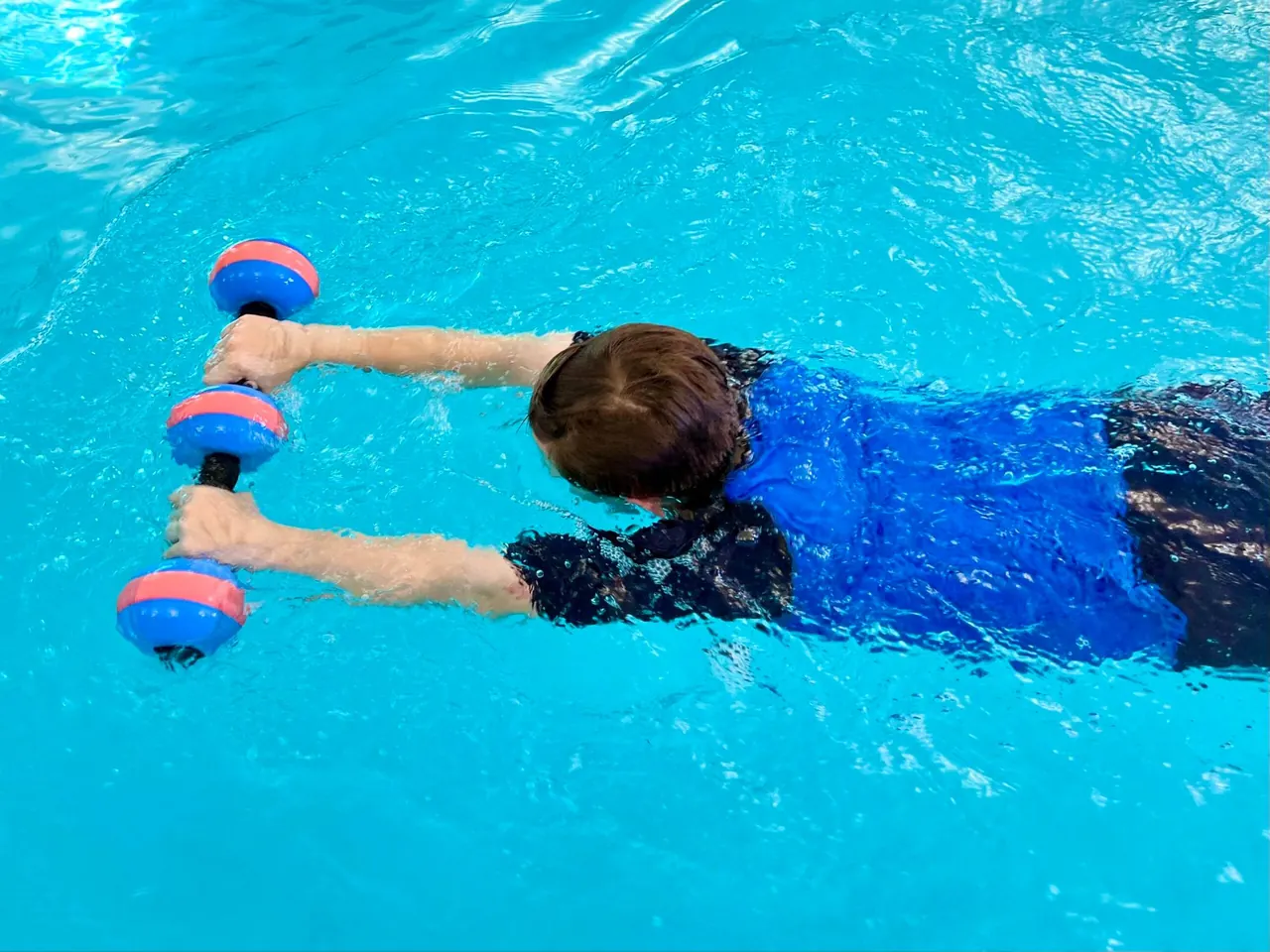
Learning to swim is one of the most important things a child can do, and for many kids with disability it's also one of the hardest to get right in a busy group class. So it's natural to ask whether NDIS funding can help. The answer depends on what you're asking the NDIS to pay for.
What the NDIS says
The NDIS's own guidelines say it would not usually fund private swimming lessons. That's because in Australia, parents and carers are generally responsible for the cost of making sure their children are safe in and around water, whether or not a child has a disability.
The same guideline leaves room for support. The NDIS may fund supports your child needs because of their disability to take part in swimming lessons or water safety activities. It also encourages families to ask local swim schools about reasonable adjustments, such as smaller groups.
What might be funded
Every plan is different, and anything funded has to meet the NDIS "reasonable and necessary" test. In general terms, that means a support must be related to your child's disability, represent value for money, and be likely to be effective and beneficial. Examples of what families sometimes ask about include:
- A support worker or trained assistant in the water so your child can join a lesson or a family swim safely.
- Extra support where one-on-one instruction is needed because of the disability, rather than as a preference.
- Therapy-led water programs prescribed by an allied health professional, such as a physiotherapist.
Whether any of these are funded for your child is a decision for the NDIA. Some families report that requests for the difference between group and private lessons are approved in some cases and declined in others, so it's worth preparing well.
How to prepare for your planning meeting
- Describe the need, not the activity. Explain why your child can't safely or meaningfully take part in a standard class. For example, sensory overload, difficulty following group instructions, or needing physical support to float.
- Link it to goals. Water safety, physical activity, social participation and independence are all goals that swimming can support.
- Bring evidence. Reports from your child's OT, physio, psychologist or paediatrician help explain why extra support is needed.
- Ask what's possible. Ask your planner or local area coordinator directly which supports could help your child take part in swimming.
How Raising Heroes can help
Our swimming lessons are one-on-one and taught by certified instructors trained to support autism, ADHD and sensory needs, and our programs are designed by registered occupational therapists and nurses. We provide clear invoices and progress updates you can share at plan reviews. We work with self-managed and plan-managed families, and with families who pay privately.
If you're not sure what your child's plan covers, start with the free lesson. We'll talk you through your options in plain English.
Sources
- NDIS Our Guidelines: Swimming lessons in early childhood
- NDIS Our Guidelines: Reasonable and necessary supports
This article is general information, not NDIS or financial advice. Check what your child's plan covers with your planner or plan manager.